
Connections between Mental health and Substance Abuse.
Many individuals who develop substance use disorders (SUD) are also diagnosed with mental disorders. Half of those who experience a mental illness during their lives will also experience a substance use disorder.
Adolescents with substance use disorders also have high rates of co-occurring mental illness. Over 60 percent of adolescents in community-based substance use disorder treatment programs also meet diagnostic criteria for another mental illness.
High rates of comorbid substance use disorders and anxiety disorders—which include generalized anxiety disorder, panic disorder, and post-traumatic stress disorder.
Substance use disorders also co-occur at high prevalence with mental disorders, such as depression and bipolar disorder, attention-deficit hyperactivity disorder (ADHD), psychotic illness, borderline personality disorder, and antisocial personality disorder. Patients with schizophrenia have higher rates of alcohol, tobacco, and drug use disorders than the general population.
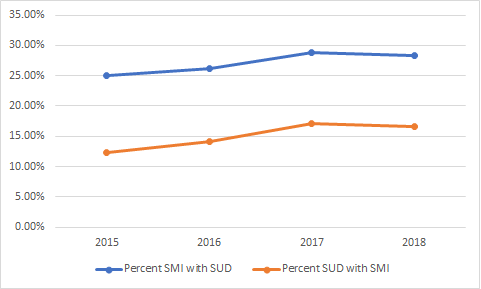
The overlap is especially pronounced with serious mental illness (SMI). Serious mental illness among people ages 18 and older is defined at the federal level as having, at any time during the past year, a diagnosable mental, behavior, or emotional disorder that causes serious functional impairment that substantially interferes with or limits one or more major life activities. Serious mental illnesses include major depression, schizophrenia, and bipolar disorder, and other mental disorders that cause serious impairment. Around 1 in 4 individuals with SMI also have an SUD.
Youth—A Vulnerable Time
Drug use and addiction can happen at any time during a person’s life. Drug use typically starts in adolescence, a period when the first signs of mental illness commonly appear. Comorbid disorders can also be seen among youth. During the transition to young adulthood (age 18 to 25 years), people with comorbid disorders need coordinated support to help them navigate potentially stressful changes in education, work, and relationships.
Drug Use and Mental Health Disorders in Childhood or Adolescence Increases Later Risk
The brain continues to develop through adolescence. Circuits that control executive functions such as decision making and impulse control are among the last to mature. This can enhance vulnerability to drug use and the development of a substance use disorder.
Early drug use is a strong risk factor for later development of substance use disorder. It may also be a risk factor for the later occurrence of other mental illnesses. This may reflect shared risk factors including genetic vulnerability, psychosocial experiences, and/or general environmental influences. Frequent marijuana use during adolescence can increase the risk of psychosis in adulthood, specifically in individuals who carry a particular gene variant.
It is also true that having a mental disorder in childhood or adolescence can increase the risk of later drug use and the development of a substance use disorder. It has been found that mental illness may precede a substance use disorder, suggesting that better diagnosis of youth mental illness may help reduce comorbidity.
Adolescent-onset bipolar disorder confers a greater risk of subsequent substance use disorder compared to adult-onset bipolar disorder. Youth develop internalizing disorders, including depression and anxiety, prior to developing substance use disorders.
Untreated Childhood ADHD Can Increase Later Risk of Drug Problems
Numerous studies have documented an increased risk for substance use disorders in youth with untreated ADHD. It has also been suggested that only those with comorbid conduct disorders have greater odds of later developing a substance use disorder. It is important to determine whether effective treatment of ADHD could prevent subsequent drug use and addiction. Treatment of childhood ADHD with stimulant medications such as methylphenidate or amphetamine reduces the impulsive behavior, fidgeting, and inability to concentrate that characterize ADHD.
Risks and Challenges of ADHD
That risk presents a challenge when treating children with ADHD. With effective treatment often involving prescribing stimulant medications with addictive potential. Many studies suggest that ADHD medications do not increase the risk of substance use disorder among children with this condition. It is important to combine stimulant medication for ADHD with appropriate family and child education and behavioral interventions. This includes counseling on the chronic nature of ADHD and risk for substance use disorder.
The high prevalence of comorbidity between substance use disorders and other mental illnesses does not necessarily mean that one caused the other, even if one appeared first. Establishing causality or directionality is difficult for several reasons. Behavioral or emotional problems seem not to be severe enough for a diagnosis (called subclinical symptoms). Subclinical mental health issues may prompt drug use. People’s recollections of when drug use or addiction started may be imperfect, making it difficult to determine whether the substance use or mental health issues came first.
Three main pathways can contribute to the comorbidity between substance use disorders and mental illnesses:
- Common risk factors can contribute to both mental illness and substance use and addiction.
- Mental illness may contribute to substance use and addiction.
- Substance use and addiction can contribute to the development of mental illness.
This awareness article is brought to you in partnership with Empower Tusc.