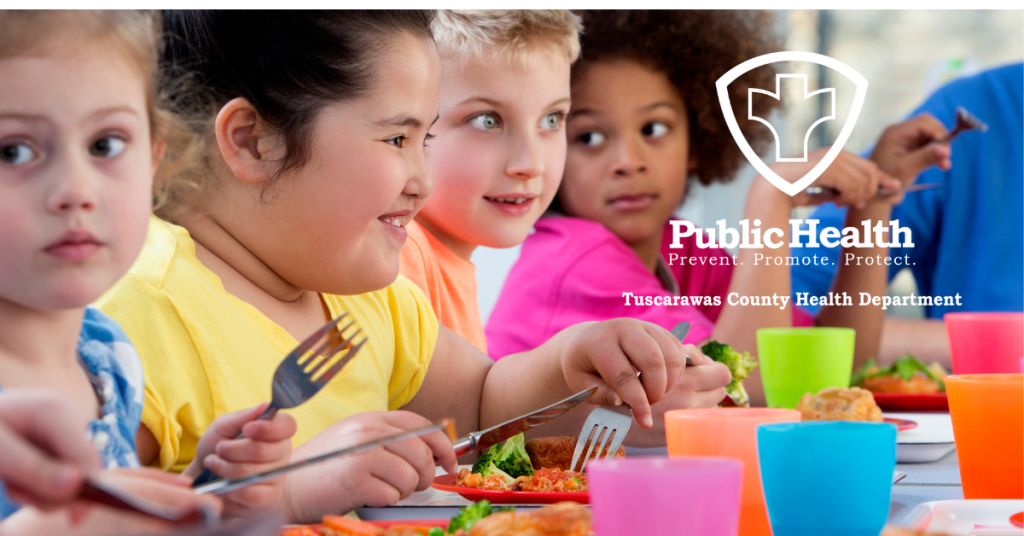
It’s fall: the kids are back to school and back to their routines. The days are busier and growing shorter. While it might seem like a chaotic time, it’s the perfect opportunity to get back into healthy eating habits that may have slipped over the summer. TCHD wants to help parents encourage healthy eating habits for kids that will fuel their bodies and minds over the school year and beyond.
 This is Public Health is brought to you in partnership with the Tuscarawas County Health Department.
What Should Kids Be Eating?
The first step in encouraging healthy eating is understanding nutrition guidelines. The CDC encourages parents to follow the USDA Dietary Guidelines for Americans, which recommends that people aged 2 years or older follow a healthy eating pattern that includes the following:
- A variety of fruits and vegetables: a variety of fresh, canned, frozen or dried fruits vegetables. Offer a variety of colorful choices each week. When selecting canned or frozen options, look for ones that are lower in sodium and added sugar.
- Whole grains: whole-wheat bread or pasta, oatmeal, popcorn, quinoa, or brown or wild rice
- Fat-free and low-fat dairy products: milk, yogurt and cheese. Fortified soy beverages also count as dairy
- A variety of protein foods: seafood, lean meat and poultry, eggs, beans, peas, soy products, and unsalted nuts and seeds
- Oils: olive oil, avocado oil, sesame oil, and safflower oil, fish oil, flax oil, palm oil, and walnut oil in moderation can provide healthy fats
The Mayo Clinic recommends that parents encourage children to eat nutrient-dense foods and avoid foods with added sugar, saturated fats, and high levels of sodium. They provide daily guidelines for children at different stages and ages.
Why is a Healthy Diet Important?
The CDC promotes the benefits of a healthy diet for kids including achieving and maintaining a healthy body weight, consuming important nutrients. This results in:
- Keeping skin, teeth, and eyes healthy
- Supporting muscles
- Strengthening bones
- Supporting brain development
- Supporting healthy growth
- Boosting immunity
- Helping the digestive system function
A healthy diet also helps to reduce the risk of developing health conditions such as
- High blood pressure.
- Heart disease.
- Type 2 diabetes.
- Cancer.
- Osteoporosis.
- Iron deficiency.
- Dental caries (cavities).
How Can I Encourage My Child to Eat Healthy Foods?
Myplate.gov is an excellent source for parents and children who want to work on their health eating habits. Their Resources page provides free tools, tip sheets, videos, graphics and more. Some tips they offer to encourage healthy eating in children include:
- Offer variety: Include choices from each food group – fruits, vegetables, grains, protein foods, and dairy and fortified soy alternatives – in meals and snacks during each day.
- Connect at mealtime: Eat meals together whenever possible. Turn off the TV and put away phones and tablets so you can “unplug” and focus on healthy foods and each other.
- Make good nutrition easy: Designate a shelf or a drawer in your fridge for your kids. Stock it with cut up fruits and vegetables, yogurt, nut butters, and whole-wheat mini bagels and crackers.
- Think about their drinks: Make water and low-fat or fat-free dairy milk and fortified soy alternatives easy options to grab in your home. Have ready-to-go containers filled and in the fridge to take on outings.
- Get kids involved: Depending on their age, kids can peel fruits, assemble salads, measure, scoop, and slice. Let them create and name their own side dish.
- Have a shopping buddy: Let kids participate in grocery shopping online or in the store. Reward them by letting them choose their favorite fruit or maybe a new one.