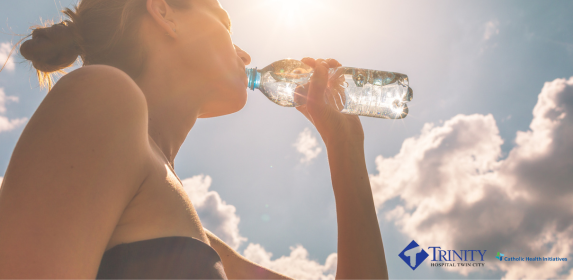
As temperatures rise in June, so does the body’s need for adequate hydration. Staying hydrated is essential for people of all ages, but it’s particularly important for children, older adults, and those spending time outside in the summer heat. Whether you’re heading to the park, playing sports, or simply enjoying time in the backyard, understanding the importance of hydration can help your family stay safe and feel their best.
Why Hydration Matters
Water supports nearly every vital function in the body—from regulating body temperature and aiding digestion to cushioning joints and transporting nutrients. Children, in particular, are more prone to dehydration because they may not recognize the signs or remember to drink enough. According to the Mayo Clinic, even mild dehydration can cause fatigue, headaches, and poor concentration.
Signs of Dehydration in Children and Adults
Knowing what to look for can help you take action quickly. Common signs include:
-
Dry mouth or cracked lips
-
Dark yellow urine or infrequent urination
-
Dizziness or lightheadedness
-
Fatigue or irritability
-
Headaches
-
Decreased skin elasticity (skin doesn’t bounce back when pinched)
In children, you may also notice:
-
Fewer wet diapers or bathroom trips
-
Sunken eyes or soft spots (in infants)
-
Lethargy or fussiness

Hydration Tips for the Whole Family
1. Encourage Regular Water Breaks
Make drinking water a routine part of the day. Offer water before meals, during playtime, and after physical activity—even if your child doesn’t feel thirsty. Set reminders or use fun water bottles to make it a habit.
2. Add Flavor Naturally
If plain water isn’t appealing, try infusing it with slices of fruits like lemon, orange, cucumber, or berries. These add a refreshing taste without added sugars.
3. Serve Water-Rich Foods
Many fruits and vegetables are naturally high in water content. Include options like:
-
Watermelon
-
Cucumbers
-
Strawberries
-
Oranges
-
Tomatoes
-
Lettuce
These not only hydrate but also provide vitamins, minerals, and fiber.
4. Limit Sugary and Caffeinated Beverages
Juices, sodas, and sports drinks may seem refreshing but often contain high amounts of sugar or caffeine, which can contribute to dehydration. Water is always the best first choice for hydration.
5. Monitor Fluid Intake During Sports and Outdoor Activities
Active kids and teens can lose significant amounts of water through sweat. The American Academy of Pediatrics recommends children drink water before, during, and after sports and outdoor play, especially on hot or humid days.
6. Make it Fun
Turn hydration into a game by challenging your kids to meet their daily water goals. Use colorful stickers or reward charts to track progress.
How Much Water Is Enough?
Daily water needs can vary based on age, activity level, and weather, but a general guideline from the National Academies of Sciences, Engineering, and Medicine recommends:
-
About 6-8 cups of water per day for children ages 4–13
-
About 11.5 cups daily for women
-
About 15.5 cups daily for men
These totals include water from both beverages and food.
Special Note for Babies and Toddlers
Infants under six months should not be given water directly, as their hydration needs are met through breastmilk or formula. After six months, small sips of water can be introduced, especially in warm weather, but always consult with a pediatrician before adjusting fluid intake.
Final Thoughts
Teaching children about the importance of hydration builds healthy habits that can last a lifetime. Keeping water readily available and modeling good habits can go a long way in making hydration second nature for the entire family.
Citation:
Mayo Clinic. (2021). Water: How much should you drink every day? Retrieved from https://www.mayoclinic.org/healthy-lifestyle/nutrition-and-healthy-eating/in-depth/water/art-20044256
American Academy of Pediatrics. (2019). Sports Drinks and Energy Drinks. Retrieved from https://www.aap.org
Disclaimer: Always consult your healthcare provider for personalized medical advice.