
Prevent Rabies from Infecting Your Summer–As the weather starts warming up, more animals come out, leading to increased risk of contracting rabies. Learn more about steps for prevention and what to do if you’ve had an encounter with an animal right here on Newsymom!
This is Public Health is brought to you in partnership with the Tuscarawas County Health Department.
As it gets warmer here in Ohio, we get much closer to peak season for rabies. Hibernation is over, leading to more encounters between wild animals carrying rabies and people celebrating the season with outdoor fun!
How Does Someone Contract Rabies?
Rabies is a viral disease that’s transmitted through direct contact with an infected animals’ saliva or brain/nervous system tissue from an infected animal. The primary way of contracting rabies comes from animal bites, but in some cases, it’s possible to contract the disease from having an open wound in which an infected animal’s saliva exposes you!
Human rabies is almost always fatal. It’s so important to take the steps to prevent encounters with rabid animals and know what to do if you’ve had an encounter!

What You Should Do When Exposed
There are tons of scenarios where you come across unknown animals: finding a bat in the house, a raccoon digging through your trash, or a fox skulking nearby. Anytime an unknown animal touches you, even if any skin wasn’t broken, is an exposure risk. Here’s what you need to know after you’ve been exposed to an unknown animal:
- Wash any wounds with soap and water.
- Talk with your healthcare provider to determine your risk for rabies. (Call the Tuscarawas County Health Department at (330) 343-5555 x. 100 if you don’t have one!)
- Get your rabies vaccination ASAP! Getting vaccinated BEFORE symptoms show up sets you up for a much better outcome.
- If you’re able to, keep tabs on the animal you had the encounter with. The animal can then be tested for rabies for confirmation*. Always treat every unknown animal encounter as if they carry rabies!
*To test any animal for rabies, the animal has to be put down. The rabies test requires testing brain matter!
Rabies Symptoms
Rabies symptoms show up in two stages:
Stage 1–Within 2-10 days displaying fever, headache, poor appetite, vomiting, not feeling well, pain itching or numbness at the site
Stage 2–Displaying fatal symptoms like difficulty swallowing, foaming at the mouth (not able to swallow), agitation, disorientation, paralysis, immediate death/coma
How to Prevent Rabies
There are so many ways you can keep rabies away from you and your family!
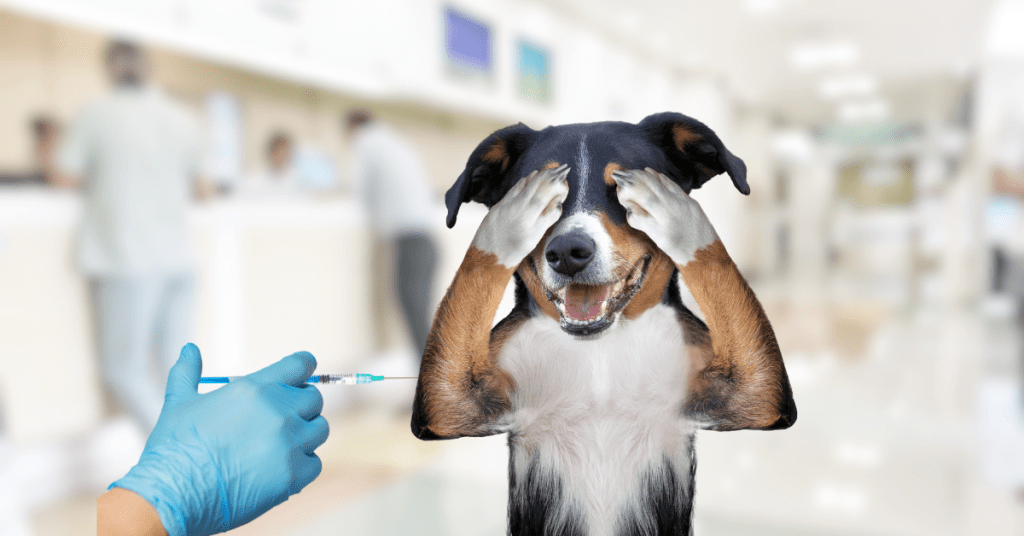
- Vaccinate your pets–Check near you for regular rabies vaccination clinics or visit the vet to ensure your furry friends are protected!
- See a bat, call it in–Animals like bats, raccoons, and skunks are the number one way people contract rabies in the U.S. If you see any unknown wildlife around your home or public spaces, stay away and call Animal Control immediately!
- Get a pre-exposure rabies vaccine–If you work in a field where you’re at higher risk of exposure to rabies (veterinary medicine, rabies lab workers, spelunkers (cave explorers), etc.) or explore the outdoors in places where lots of unknown animals are, get a pre-exposure rabies vaccine!
- Keep an eye on the animal–To keep anyone else from potentially transmitting rabies, try to keep tabs on where the animal is if you’ve been exposed!
The Tuscarawas County Health Department wants to keep you and your family healthy! Make sure to keep everyone at home up-to-date on their vaccinations by calling the TCHD at (330) 343-5555 x. 100 to schedule an appointment.

Melissa Klatt
Reporting