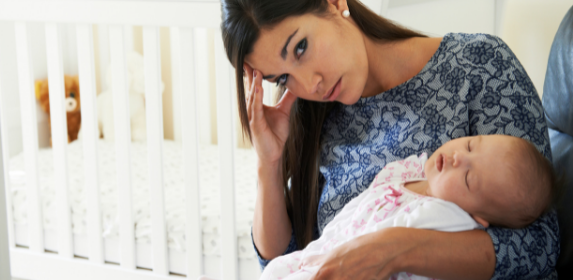
Postpartum Depression
Symptoms of PPD include:
- Feeling angry
- Crying more often
- Feeling distant from your baby or withdrawing from loved ones
- Feeling overly anxious
- Having thoughts of harming the baby or yourself
Risk Factors
One in eight women experience PPD, but there are some factors that might make you more at risk for pregnancy depression and post-birth depression.
- A history (or family history) of anxiety and depression
- A difficult pregnancy or unplanned pregnancy
- Financial difficulties
- A troubled relationship with your partner
- Giving birth to multiples
- Receiving little or no support from partner, family, or friends during and after pregnancy
It’s important for your health and the health and wellbeing of your baby to get help. Talk to your doctor about medication and finding a postpartum depression therapist near me if you find yourself experiencing the symptoms listed above. Be honest and open with your healthcare provider and spouse/support system. If you have any feels of suicide, self-harm, or violence toward your baby, call the National Suicide Prevention Hotline at 1(800)273-8255.
The SCCAA Community Actions Pathway HUB is an available resource for pregnant and new mothers in need of support, education, and community services.
Postpartum depression (PPD) affects many new mothers, with symptoms like sadness, fatigue, and changes in sleep patterns. Risk factors include a history of depression, lack of support, and complications during childbirth. Seeking help from healthcare providers and support networks is crucial for recovery.
Pingback: Postpartum Depression Study Shows First-Time Moms At High Risk for PPD - Newsymom